


Read This Before Going Under the Knife! Four Alternatives to Liposuction.

It's estimated that more than 500,000 liposuction procedures are performed each year in the United States. The procedure is often touted as the "holy grail of body contouring" for good reason: it can help you achieve a slimmer waistline or rounder buttocks without going under the knife. However, there are risks associated with having liposuction performed by an unqualified doctor or at an unlicensed facility. Potential complications include infection and skin discoloration, so it is important to do your research before undergoing any cosmetic surgery procedure. There are also alternative ways to achieve body contouring without resorting to liposuction—here are four non-invasive options that may be right for you!
Before proceeding with a medical procedure, you should always weigh the risks and benefits. Liposuction is no exception.
Before proceeding with a medical procedure, you should always weigh the risks and benefits. Liposuction is no exception.
The bottom line: Liposuction is an invasive surgical procedure that should be carefully considered before undergoing it. If you are considering getting liposuction to get rid of your belly fat or other fat deposits, then you might want to consider an alternative method for reducing your body fat instead.
There are many different types of non-surgical procedures that can help reduce your unwanted body fat—and they don’t require going under the knife! In fact, some alternatives may even be more effective than liposuction in certain cases!
Potential complications of liposuction include infection and skin discoloration.
Liposuction, which is a surgical procedure that removes fat from the body by suction and then drains it, can cause infections and skin discoloration. Other potential complications include fat necrosis (the death of some of the tissue in your body), scarring, nerve damage and skin necrosis.
In addition to these complications specific to liposuction, other risks are common to all types of cosmetic surgery procedures:
Infection - Your risk of infection is higher if your skin is cut open or damaged during surgery. If you develop an infection after surgery, you may need additional treatment with antibiotics or other medications.
Scarring - After surgery, your body’s healing process causes scar tissue to form at the site of the incision. This usually fades over time and can be minimized by following your surgeon’s instructions for care after surgery.
Bleeding and blood clots - Bleeding is a common complication of surgery. It can be serious if it occurs in an area that’s hard for doctors to reach or if you have other bleeding problems. Blood clots may form after surgery, especially if you are taking medications that increase your risk of developing them (such as birth control pills).
Skin Discoloration - This type of discoloration occurs in about 10% of patients who have had liposuction surgery performed on them but usually goes away within one or two months after the procedure has been completed successfully without any issues occurring during recovery time afterwards.* You should weigh these risks against what benefits they will bring me personally before deciding whether I would like this done.* If they aren't worth those risks then maybe something else could work better instead."
Is there a way to achieve body contouring without surgery? Yes! We list four of them
New technologies have made it possible to achieve body contouring without surgery.
These non-invasive procedures use low-level, focused ultrasound waves to break down fatty deposits, resulting in a smoother and firmer appearance. These treatments can also reduce cellulite and improve circulation, which helps prevent future fat deposits from forming.
There are many options for body contouring: cavitation, radio frequency, laser lipolysis (which uses lasers to break down fat), vacuum therapy (which uses negative pressure suction on the skin), and others. All of these techniques work well for reducing stomach fat or cellulite; however some may be better suited than others depending on your specific needs.

Results after a 1 hour non-invasive body contouring treatment
Cavitation is a non-invasive, virtually painless alternative to liposuction that can help you lose stubborn fat pockets.
Cavitation is a non-invasive, virtually painless alternative to liposuction that can help you lose stubborn fat pockets. This treatment uses a small needle-like device called a Cavitron (or VASER) Lipo that emits ultrasound waves and cold energy to break down the fat cells in your body. The tiny bubbles that result from this process are then converted into heat energy, effectively breaking down the fat cells and releasing them from their surrounding tissues.
Cavitation is an excellent option for people who are not good candidates for liposuction because it requires no incisions and only takes an hour or two to perform. The procedure is also relatively affordable compared with other options like CoolSculpting (another popular non-invasive option). However, there may be some slight swelling after your treatment as well as some mild bruising where the cavitron was placed; these side effects are usually gone within 24 hours or less though!

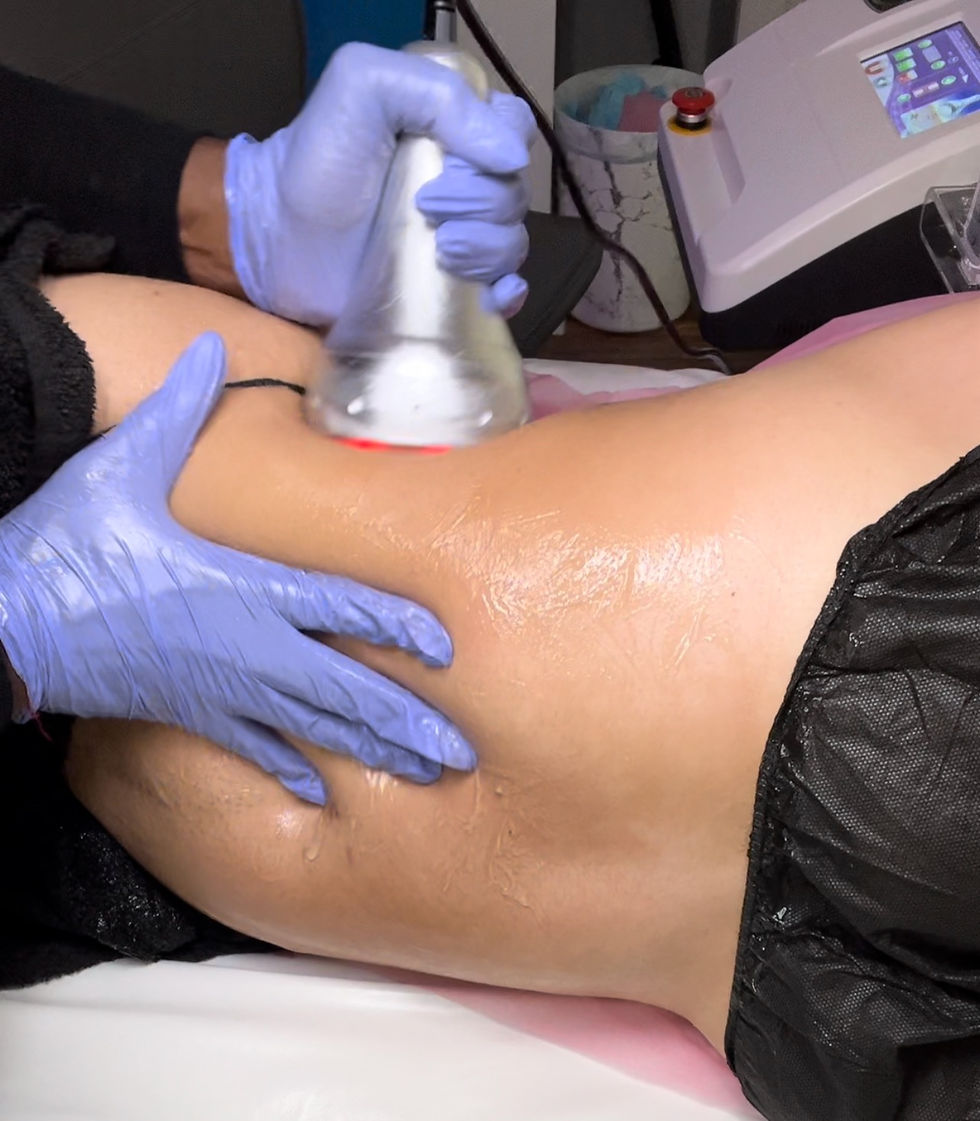
Radio frequency treatments use heat to destroy fat cells and improve skin tone.
Radio frequency treatments use heat to destroy fat cells and improve skin tone. It's a non-invasive treatment that helps tighten skin, reduce the appearance of cellulite, and improve stretch marks.
Radio frequency devices emit electromagnetic energy in order to heat the deep layers of your skin without damaging the surface layer where co
llagen lives (the epidermis). This causes tiny injuries at a cellular level which triggers your body's natural healing process to build new collagen bundles in their place. The result is tighter, firmer skin overall!

Laser lipolysis is effective for reducing fat in stubborn areas that have proven resistant to diet and exercise.
Laser lipolysis is an effective alternative to liposuction. It's a non-invasive procedure that uses heat to destroy fat cells in stubborn areas that have proven resistant to diet and exercise. Laser lipolysis can be used on all body parts, but it's most often used on the abdomen and flanks (love handles), and sometimes the neck, chin or cheeks.
Laser lipolysis has not been approved by the FDA yet, so it isn't covered by insurance companies as a recognized medical treatment—but it doesn't mean you shouldn't consider laser lipolysis if your goal is body contouring!
It's important to note that this procedure isn't for everyone: if you're looking for a quick fix or dramatic results, laser lipolysis probably won't work for you. On the flip side though—if your goal is simply reducing fat in stubborn areas without surgery or downtime—laser lipolysis might be right up your alley!

Vacuum therapy promotes lymphatic drainage, eliminates toxins and stimulates cell regeneration, all to reduce cellulite.
Cellulite is caused by fat deposits, which are located under the skin. When this fat becomes trapped in the connective tissue, it causes dimpling and puckering skin. The main symptom of cellulite is skin that covers your body's surface but still feels soft or spongy within.
Vacuum therapy promotes lymphatic drainage, eliminates toxins and stimulates cell regeneration, all to reduce cellulite. During the procedure, a vacuum device is applied directly over your skin for about 30 minutes per treatment session (a series of sessions may be needed). This suction draws in water from deep withi
n your body tissue as well as fatty deposits below the surface area—which then gets removed through our normal detoxification processes.
This method can help with:
Cellulite reduction
Removal of fluid from swollen areas like ankles or legs after surgery or injury recovery periods
Weight loss/weight management
Improving overall health condition

You can reduce belly fat or get rid of cellulite by undergoing one of these non-invasive treatments instead of getting liposuction.
If you're looking to reduce belly fat or get rid of cellulite, there are several non-invasive options available to you. Liposuction is a surgical procedure that involves the suctioning out of fat and body fluid from one's body. While it can be effective at reducing fat in some areas, there are many downsides to having liposuction done. First, it's an extremely invasive procedure, which carries a higher risk of infection than most other cosmetic surgeries. Second, it requires anesthesia and recovery time. Thirdly (and most importantly), the results aren't permanent—your body will likely absorb some of the removed fat again when you gain weight or stop exercising regularly.
If you want a more permanent solution without the risks associated with surgery or the cost and pain involved with repeated sessions at a spa or gym then consider doing one of these non-invasive treatments instead:
We hope we’ve helped you to understand the risks and benefits of liposuction so that you can make an informed decision about whether or not it would be right for you. If it is, then we urge you to proceed with caution and take all necessary precautions.


Comments